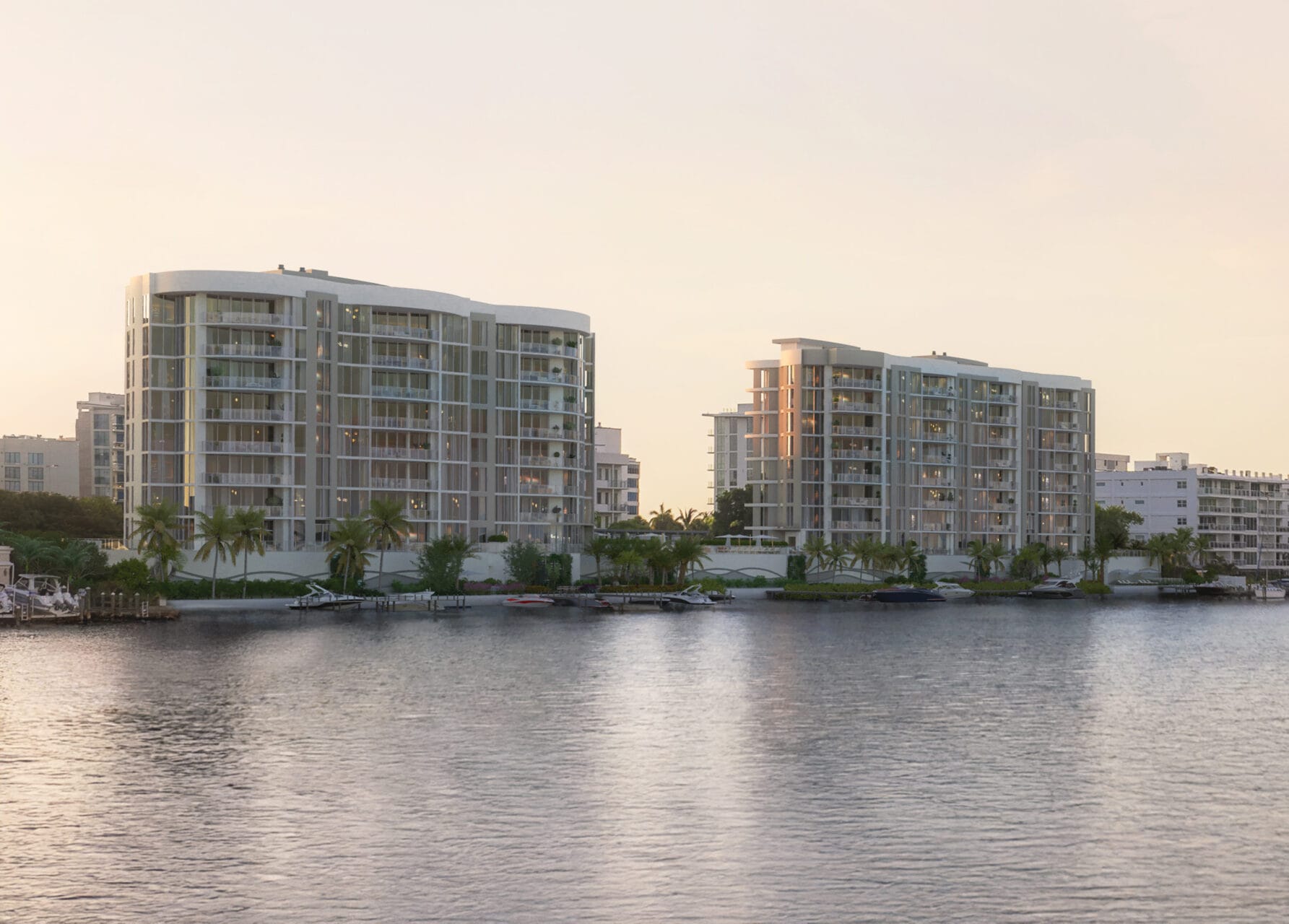
How does condominium ownership work in Florida?
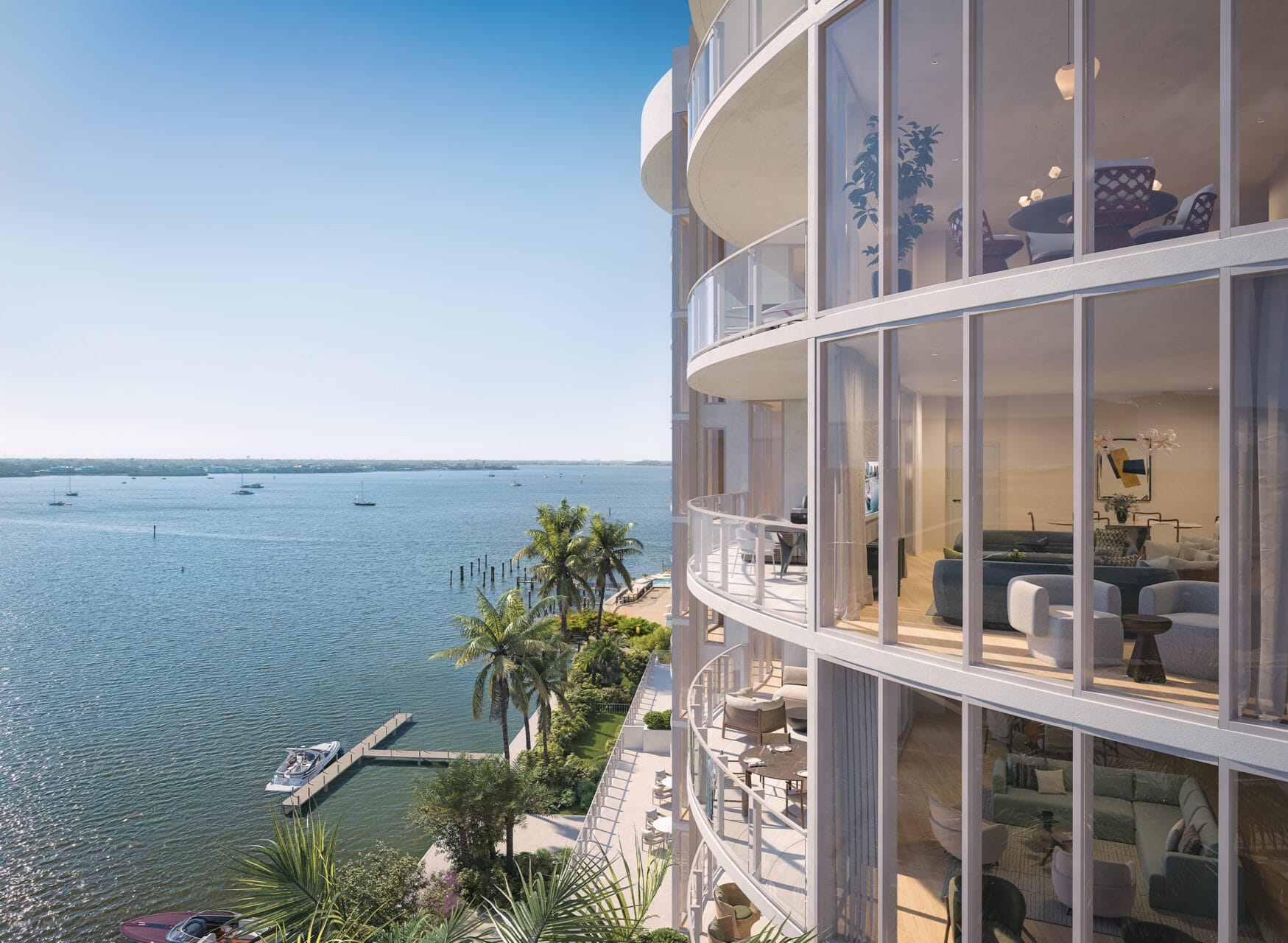
In Florida, condominium ownership includes individual ownership of a residential unit plus an undivided interest in common elements such as building structures, shared systems, and amenities. Ownership rights and responsibilities are governed by recorded condominium documents.
What documents should buyers review before purchasing a condo?
Buyers typically review the condominium declaration, bylaws, rules and regulations, operating budget, and disclosures. Florida law requires sellers to provide access to these documents during the contract phase.
What rights do condo owners have under Florida law?
Florida law outlines owner rights related to governance, document access, financial transparency, and association operations. These protections help ensure informed ownership and fair participation in association matters.
How are decisions made by the condominium association?
Decisions are typically made by an elected board of directors in accordance with the governing documents. Certain matters may require owner votes depending on their scope and impact.
Can condominium rules or amenities change over time?

Yes. Rules, policies, and amenity operations may evolve due to maintenance needs, regulatory requirements, or association decisions. Buyers should rely on recorded documents rather than assumptions about permanence.
What do HOA fees typically cover in a waterfront condominium?
HOA fees commonly fund building operations, insurance, staffing, maintenance of common areas, utilities, and reserve contributions for long-term capital needs.
What are reserve funds and why are they important?
Reserves are funds set aside for major repairs and replacements over time. In waterfront buildings, reserves are particularly important due to increased exposure to weather, salt air, and mechanical wear.
Are special assessments common in waterfront condos?
Special assessments may occur for unplanned repairs or major projects, but their likelihood depends on building condition, reserve funding, and association planning rather than location alone.
Are HOA fees included in a buyer’s mortgage payment?
No. HOA or condo fees are typically paid separately from mortgage payments and should be factored into total housing costs.
Can buyers finance a condominium purchase at Amara Sarasota?
Financing may be available depending on buyer qualifications and lender requirements. Some buyers choose to purchase with cash, while others pursue financing based on personal preference.
What factors affect lender approval for condominiums?
Lenders may consider association financials, reserve levels, insurance coverage, owner occupancy ratios, and building characteristics when evaluating loan eligibility.
Why should buyers speak with lenders early in the process?
Early conversations help buyers understand qualification criteria, documentation timelines, and any project-specific considerations before entering a contract.
Does waterfront location guarantee marina access?
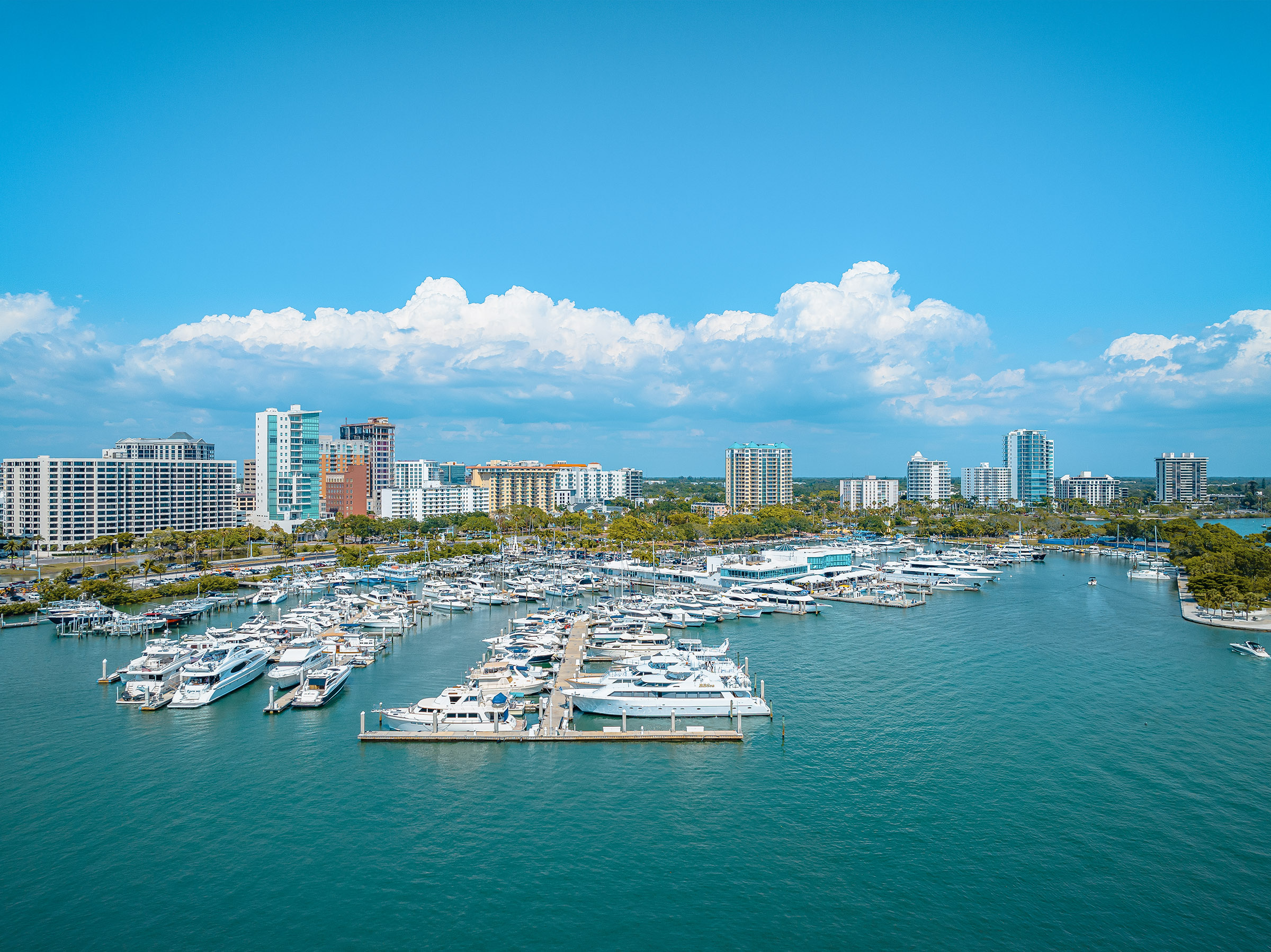
No. Waterfront location alone does not guarantee boat slips or marina access. Access depends on how it is structured and documented for a specific development.
How is marina access structured at Amara Sarasota?
Marina access details, including slip structure, transferability, size limits, and usage rules, are outlined in project-specific documents and purchase agreements.
Do marina slips transfer with condo ownership?
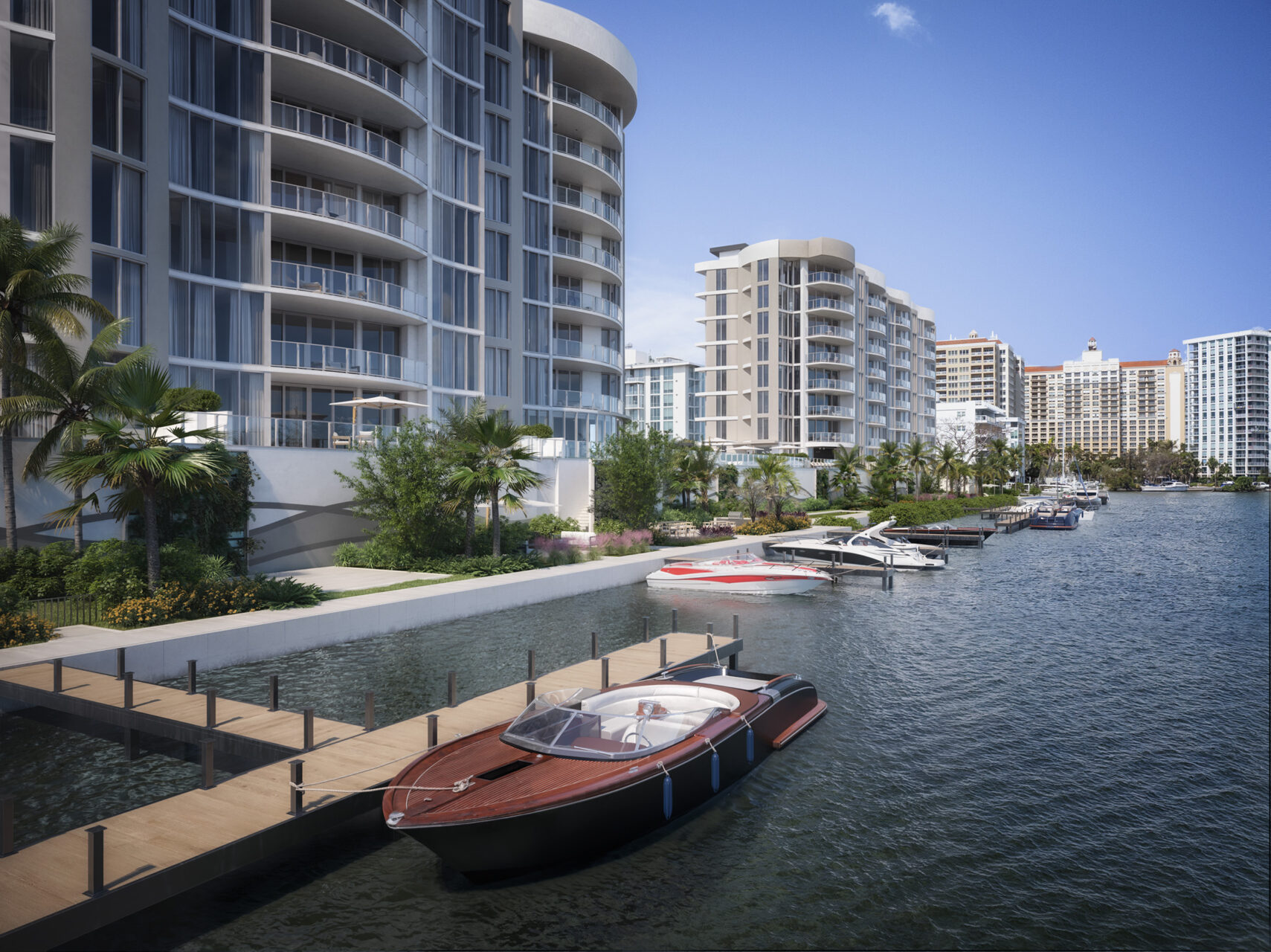
Only deeded slips are guaranteed to transfer upon resale. Assigned-use or shared arrangements may not convert automatically.
Are there restrictions on boat size or usage?
Yes. Slip dimensions, water depth, draft limitations, and association rules may impose restrictions that buyers should review carefully.
Where is Amara Sarasota located?
Amara Sarasota is located on Golden Gate Point, a residential waterfront peninsula positioned between Sarasota Bay and downtown.
What types of amenities are offered at Amara Sarasota?

Amenities are designed to support full-time and seasonal residential use and typically include wellness features, marina-related elements, and resident services as outlined in official materials.
Is Amara Sarasota suitable for full-time living?
Yes. The residential zoning, location, and amenity structure support both year-round and seasonal occupancy.
Why do buyers evaluate developer track records for new waterfront condos?
Developer experience and completed projects can provide insight into delivery reliability, construction quality, and long-term operational outcomes. Ownership experience may also vary by development scale and model.